
1. Introduction
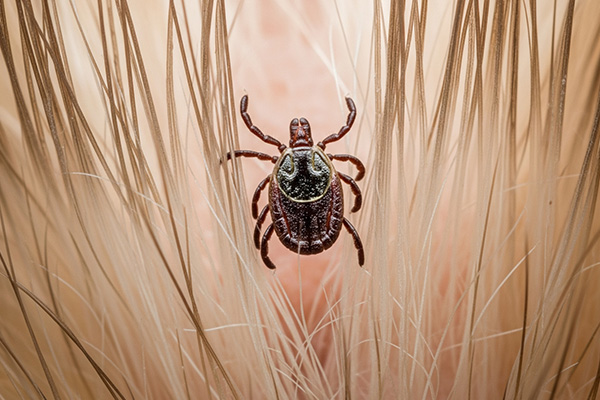
Ticks might be small, but they can cause big problems for dogs. These tiny bugs bite and feed on blood—and they can spread serious diseases like Lyme disease and ehrlichiosis.
This is especially important in Michigan, where ticks are active from spring through fall. With more woods, tall grass, and outdoor playtime, dogs here are at higher risk of picking up ticks—especially if they spend time outside or visit parks and trails.
At Petz Prefurred, we care about your dog’s health during every Dog Daycare, Boarding or Dog Grooming visit. That’s why it’s important to know how to spot ticks early and prevent bites before they happen.
In this post, we’ll cover the basics: where ticks hide, what to watch for, and how to keep your dog protected.
2. Why Ticks Are a Threat to Dogs
Ticks are more than just annoying—they can make your dog sick.
In Michigan, the most common tick species are:
- Deer ticks (also called black-legged ticks)
- American dog ticks (also called wood ticks)
- Lone star ticks
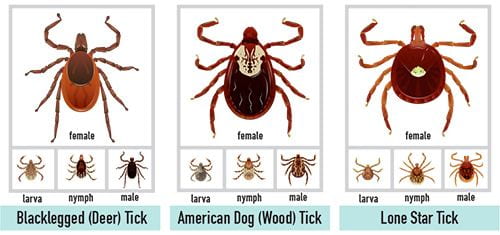
These ticks can carry diseases like:
- Lyme disease – causes joint pain, tiredness, and fever
- Ehrlichiosis – can lead to weakness, weight loss, and bleeding problems
- Anaplasmosis – causes similar symptoms like fever, loss of appetite, and sore muscles
If your dog has been bitten, you might notice:
- Limping or stiffness
- Low energy
- Loss of appetite
- Fever
- A red bump or tick still attached to the skin
If you see any of these signs, call your vet right away.
3. When and Where Ticks Are Most Active in Michigan
Ticks in Michigan are most active from spring through fall, especially in April through October. But if the weather stays mild, they can stick around even longer.
Ticks love areas with:
- Tall grass
- Woods and forest trails
- Leaf piles and bushes
- Even urban parks and backyards with shady spots
They wait on blades of grass or low plants, then grab onto your dog as they walk by.
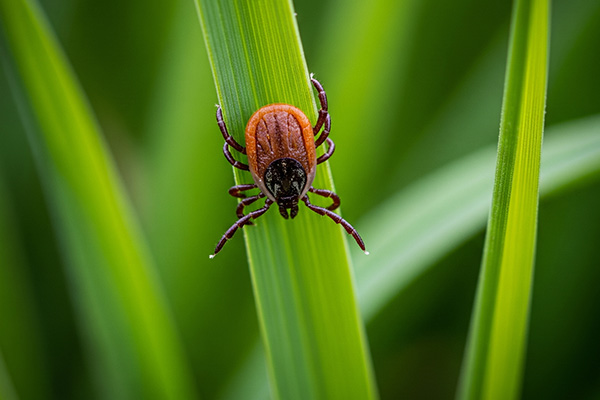
Some parts of Michigan have more ticks than others. Northern Michigan, the Lower Peninsula, and places near lakes or hiking trails tend to have higher tick numbers.
If your dog plays outside, hikes with you, or visits parks, it's important to check them often and take steps to prevent bites.
4. How to Check Your Dog for Ticks
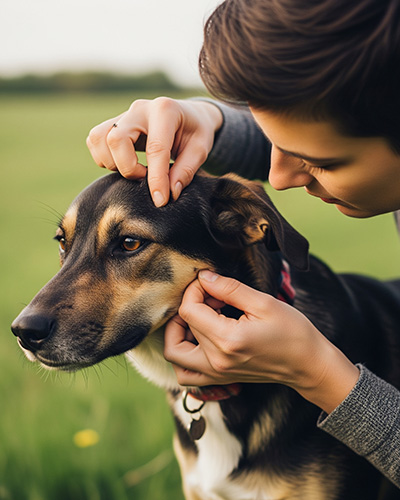
Checking your dog for ticks is easy and only takes a few minutes. At Petz Prefurred, our staff and groomers regularly check for ticks while giving attention to boarders, play time with daycare dogs or grooming a dog. Here’s how to do it:
Step-by-Step Tick Check:
- Start with your hands – Gently run your fingers over your dog’s body.
- Feel for bumps – Ticks can feel like small, hard lumps on the skin.
- Use your eyes too – Part the fur and look closely at the skin.
Ticks love to hide in:
- Behind the ears
- Around the neck and collar area
- Between the toes
- Under the legs
- Around the eyes and mouth
- Near the tail
5. Tick Prevention Options
The best way to protect your dog from ticks is to prevent bites before they happen. There are several options you can use:
Topical Treatments
These are liquids you put on your dog’s skin, usually between the shoulders. They kill or repel ticks before they can bite.
Oral Medications
These are pills or chewables your dog takes once a month. They work from the inside out to kill ticks that bite.
Tick Collars
Special collars release chemicals that keep ticks away. Some last up to 8 months.
Natural Remedies
Some pet owners try natural sprays or oils, but these don’t always work well. Always check with your vet before using them.
Talk to Your Vet
Your vet can help you choose the best option for your dog’s size, age, and lifestyle. Regular protection is key—especially in Michigan’s active tick season.
6. Yard and Outdoor Safety Tips
You can help protect your dog from ticks by making smart choices at home and on walks.
Keep Your Yard Tick-Safe
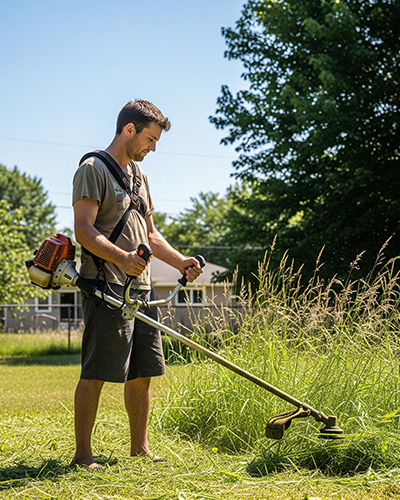
- Mow the lawn regularly
- Rake up leaves and clear brush
- Keep tall grass and weeds trimmed
- Create a barrier (like gravel or wood chips) between your yard and wooded areas
Avoid Tick-Heavy Areas on Walks
Try to stay on clear paths. Avoid letting your dog wander into:
- Tall grass
- Leaf piles
- Bushes or wooded spots
Use Sprays and Pet-Safe Repellents
You can treat your yard with tick-control sprays. Look for ones that are safe for pets.
Also, use a pet-safe tick repellent before outdoor adventures—ask your vet which one is best
7. What to Do If Your Dog Gets Bitten
If you find a tick on your dog, don’t panic—just follow these steps:
How to Remove a Tick Safely
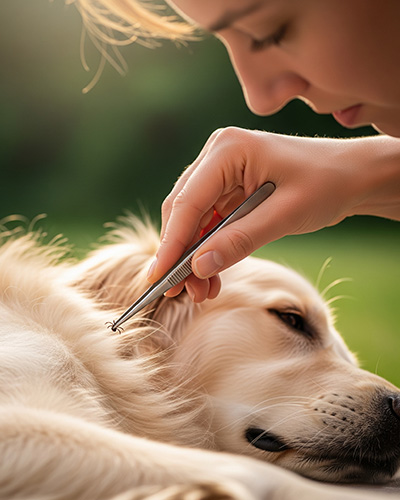
- Use fine-tipped tweezers.
- Grab the tick as close to your dog’s skin as possible.
- Pull straight out slowly and steadily—don’t twist or squeeze.
- Clean the bite area with rubbing alcohol or soap and water.
- Wash your hands after handling the tick.
When to Call Your Vet
Call your vet if:
- You couldn’t remove the whole tick
- The area looks red or swollen days later
- Your dog starts acting tired, sore, or not like themselves
Watch for Symptoms of Illness
After a tick bite, keep an eye out for:
- Limping
- Fever
- Loss of appetite
- Low energy
Early treatment makes a big difference, so don’t wait if your dog seems off.
8. Conclusion
Ticks may be tiny, but they can cause big problems for your dog’s health. The good news? Most tick bites can be prevented with a little care and the right protection.
Remember to:
- Check your dog regularly for ticks
- Use prevention products like collars, pills, or sprays
- Keep your yard clean and safe
- Visit your vet for advice that fits your dog’s needs
Ticks are most active in Michigan’s warmer months, so stay alert from spring through fall. A little effort goes a long way in keeping your pup safe, happy, and tick-free.
And whether your dog visits us for Dog Daycare or Dog Grooming at Petz Prefurred, we’re always here to help keep them healthy!